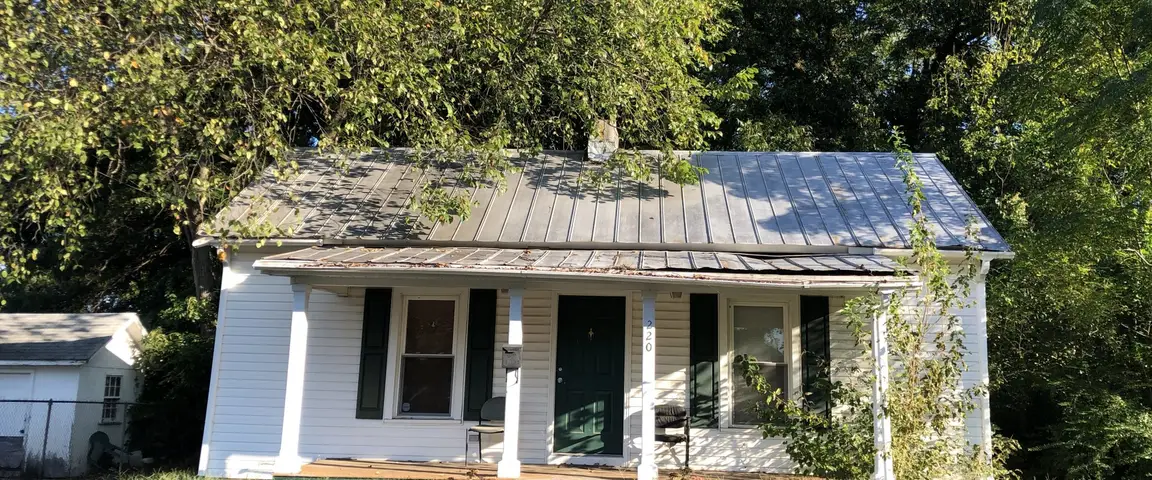
A Fayetteville fixer-upper can look like a straightforward project in the photos: replace the carpet, update the kitchen, paint the rooms, and sell. Then a walkthrough raises questions the listing never answered. Is that enclosed space part of the permitted living area? Is the soft bathroom floor an isolated repair? Does the best comparable sale have an extra bathroom your house will still lack?
Those questions matter before you decide what to pay. The asking price is only the beginning of a flip budget. Your purchase needs to leave room for the work, the time it takes, the cost of selling, and a result that still makes sense if the project does not go exactly as planned.
If you are looking for a fixer-upper in Fayetteville to renovate and resell, use the following process to turn an interesting property into a decision you can explain. Start with the finished house you intend to deliver, then work backward to the price and cash commitment you can support.
1. Define the finished house before estimating its value
Write a short description of the home after your planned renovation. Include the bedroom and bathroom count, usable living area, layout, major systems, and finish level. “Fully renovated” is not a scope of work. A house with fresh paint and an aging roof is a different product from one with new systems, updated bathrooms, and documented repairs.
This step keeps your resale estimate connected to your budget. If you choose comparable sales with two updated bathrooms but intend to renovate a one-bath house without adding another, account for that difference. If your estimate assumes a usable garage, make sure the property actually has one after the work is complete.
Keep improvements you have not confirmed out of the base case. An additional bedroom, converted garage, or new bathroom can change costs and requirements. Price the project first using the configuration you can substantiate. Treat a proposed change as a separate scenario until you understand its feasibility and expense.
2. Build Fayetteville comps around the property, not the city name
“Fayetteville” is too broad a filter to establish the value of one house. Start with relevant closed sales near the property, then compare the features a future buyer will notice: size, layout, condition, lot, parking, and the immediate setting. Explain why each sale belongs in your analysis.
A house in Haymount should not automatically be priced from a renovated sale in College Lakes simply because both addresses say Fayetteville. The reverse is equally true. Neighborhood names are starting points for research, not automatic value adjustments. Use evidence from the particular property’s competitive area rather than assuming a fixed premium for a name.
Compare photographs, not just a spreadsheet of prices and square footage. Look at kitchen quality, bathroom count, ceiling heights, additions, exterior condition, and the connection between rooms. Two houses described as “updated” can offer very different experiences to a buyer walking through them.
Record differences that could affect your exit. A busy road, unusual lot, steep driveway, or awkward floor plan may remain after renovation. Do not budget as though new flooring removes those characteristics. Ask a local agent or appraiser for help when the evidence is thin or the property is unusual.
Active listings help you understand the competition, but an asking price is not a completed sale. Keep your projected resale price separate from the seller’s or wholesaler’s estimate. If the available evidence supports a range, model the lower end as well as the result you hope to achieve.
3. Use the first walkthrough to find expensive questions
The first visit is not a decorating appointment. Before choosing cabinet colors, identify the conditions that could change the scope or make the project unsuitable for your budget. Bring a consistent checklist, take organized photographs, and arrange qualified inspections for issues beyond your experience.
Pay particular attention to how water moves through and around the house. Look for visible staining, soft flooring, damaged trim, drainage concerns, and evidence of previous repairs. A stain does not explain its own cause. Ask what happened, what was repaired, and what documentation is available.
Review the roof, foundation, crawlspace or basement if present, electrical system, plumbing, and heating and cooling. Note inaccessible areas. “Could not inspect” belongs on the unresolved list; it should not silently become “no problem found.” Do not enter areas that appear unsafe just to complete the checklist.
For every significant concern, write the next action beside it. That might be a roofer’s evaluation, a licensed trade contractor’s quote, or clarification about an addition. This gives you a short list of questions to resolve before your contractual deadlines rather than a folder of photographs nobody has interpreted.
4. Ask contractors to price the same scope
Two renovation bids are not comparable if one includes disposal, materials, and final cleanup while the other includes labor alone. Break your project into clear sections: exterior, roof, systems, bathrooms, kitchen, flooring, walls, and finishing work. Identify what stays, what gets repaired, and what gets replaced.
Where possible, specify quantities. “Replace flooring” is less useful than identifying the rooms, approximate area, material, subfloor assumptions, and removal requirements. Ask who supplies materials and who handles delivery, storage, and damage. Small omissions repeated across several trades can become a large budget gap.
Get exclusions in writing. If the contractor has not inspected the crawlspace, the price may exclude concealed damage. If fixtures are allowances, check whether those allowances match the finished house you described. A low bid is not necessarily a lower-cost project when the missing items appear later as changes.
Discuss scheduling as well as price. Ask when work can start, which trades depend on others, and how changes are approved. Identify your responsibility for utilities, access, inspections, and material decisions. A written scope should make it clear what the quoted price buys and what remains uncertain.
5. Check Fayetteville project requirements before counting on a conversion
The City of Fayetteville’s Permitting & Inspections division provides permitting, plan review, and building inspection services. Use the city’s resources to identify the right contact for your proposed work, and confirm that the property is within the relevant jurisdiction.
Describe the actual project when asking questions. Replacing finishes is not the same proposal as altering a layout, adding a bathroom, or changing how a space is used. Do not rely on a contractor’s general assurance that another project “didn’t need anything.” Get answers for this property and this scope.
Where previous work is uncertain, collect the records available and ask what additional review is needed. A finished room in a photograph is not, by itself, proof that you can market it as approved living area. Build confirmed requirements and their timing into your plan before relying on the added value.
6. Calculate the full cost of the flip
Your worksheet needs more than purchase price and repairs. Separate acquisition expenses, renovation, financing, holding expenses, and selling costs. Add a distinct contingency for uncertainty so it does not disappear inside another estimate. Keep the source of each number next to it.
For financing, use the terms of an actual proposal when available. Include points, interest, fees, draw procedures, and potential extension costs. Ask which expenses must be paid before reimbursement. The cash you need during construction can be materially different from the cash you expect to have invested at the end.
Holding expenses can include utilities, insurance, taxes, property care, and other costs applicable to the house. Selling expenses depend on the services and agreements you use. Obtain estimates for your transaction rather than assuming one standard percentage covers everything.
A hypothetical Fayetteville flip worksheet
The figures below illustrate the calculation only. They are not an appraisal, a current Fayetteville market estimate, a financing offer, or a forecast for a property available through Wholesale Triangle.
| Item | Illustrative amount |
|---|---|
| Projected resale price after the planned work | $250,000 |
| Purchase price | $140,000 |
| Renovation | $45,000 |
| Acquisition expenses | $5,000 |
| Financing and holding expenses | $12,000 |
| Selling expenses | $18,000 |
| Contingency | $8,000 |
| Total projected cost | $228,000 |
| Projected spread before income taxes and omitted costs | $22,000 |
Now change the assumptions. A resale at $240,000 reduces that projected spread to $12,000. If total costs also rise by $10,000, only $2,000 remains. The property did not need a dramatic collapse in value for the result to change substantially.
This is why a purchase price that looks low compared with the finished value can still be too high for your project. Work backward from defensible resale evidence and your complete costs. Do not make the spreadsheet work by deleting expenses you are likely to incur.
7. Separate the construction schedule from the selling schedule
“A six-week renovation” does not mean your money comes back in six weeks. Your timeline also needs room for preparation, required reviews, material ordering, inspections, punch-list work, marketing, and the buyer’s closing process. Put those stages on the calendar separately.
Ask what happens if the project finishes later than expected. A delay can add carrying costs and create pressure around loan maturity. It can also leave you with less flexibility to negotiate at resale. Model a longer hold using the actual costs that would continue during it.
Be specific about who makes decisions while work is underway. If a contractor needs an answer about a repair, waiting several days can affect other trades. Keep a record of approved changes and update the budget as they happen. The original estimate is useful only if you also track the decisions that move it.
8. Resolve purchase terms before sending a deposit
Ask what transaction is being offered, who the parties are, what you are purchasing, and which written terms govern the deal. Review deposits, deadlines, inspection access, possession, contingencies, and any assignment provisions with your attorney. Do not substitute a verbal summary for the agreement.
If someone occupies the house, establish what is known about occupancy and the proposed possession arrangement. Do not schedule demolition or advertise a vacant project on the assumption that an occupant will leave automatically. Access and possession are practical parts of the renovation plan, not details to address after everything else.
Confirm payment instructions directly with the closing professional using a trusted contact method. Keep the purchase documents and cost worksheet together so a change in terms prompts a change in your analysis. A new fee or different deadline should not stay hidden in an email while you continue using the original numbers.
9. Make a go-or-pass decision you can defend
Before committing, summarize the property on one page: intended finished condition, supporting sales, written repair scope, total cost, cash required, timeline, and unresolved issues. Explain why the property fits your resources. Include the facts that would cause you to pass.
For example, your decision might depend on confirming the usable living area or getting a firm quote for a major repair. Until that is resolved, label the project conditional in your own review. Do not describe uncertainty as profit simply because you have not assigned it a cost yet.
Passing on a property can be the correct outcome of good analysis. The objective is to find a Fayetteville fixer-upper you can buy and execute responsibly, not to justify every opportunity that reaches your inbox. Save the worksheet even when you pass; it will help you compare the next property more consistently.
Questions Fayetteville fixer-upper buyers should ask
Should I use a percentage rule to set my offer?
A percentage rule can help screen a property, but it cannot account for every repair, financing structure, timeline, or resale expense. Use it as an initial filter, then replace the shortcuts with property-specific numbers before deciding what you are willing to pay.
Can I use the repair estimate in the deal email?
Use it to organize questions, then verify the scope and obtain appropriate quotes. Your contractor, finish level, and discoveries during inspection can produce a different budget. Keep your own estimate separate so you know which assumptions support your decision.
What if there are very few useful comparable sales?
That uncertainty belongs in the analysis. Ask a qualified local professional for help, explain any adjustments, and consider more than one exit-price scenario. A lack of good evidence is not a reason to adopt the highest asking price you can find.
What should I tell Wholesale Triangle I want to buy?
Specify Fayetteville, your purchase range, the house types and renovation scope you can handle, and your readiness to inspect and close. Tell us what would rule out a property as well. Clear criteria make it easier to identify opportunities worth your time.
Looking for your next Fayetteville renovation project?
Join Wholesale Triangle’s buyer list and share your Fayetteville buying criteria. When an opportunity fits, request the available information and review it against your own comparable sales, repair scope, financing, and timeline.
Our deal-analysis resources include a spreadsheet and repair checklist you can use to organize that work. A useful deal package starts the conversation; your property-specific review determines whether the purchase is right for you.
This article provides general educational information. Investment results are not guaranteed. Consult your own attorney, tax professional, lender, and qualified property professionals about your transaction.